Thursday, September 24, 2026
Trivia of the Day
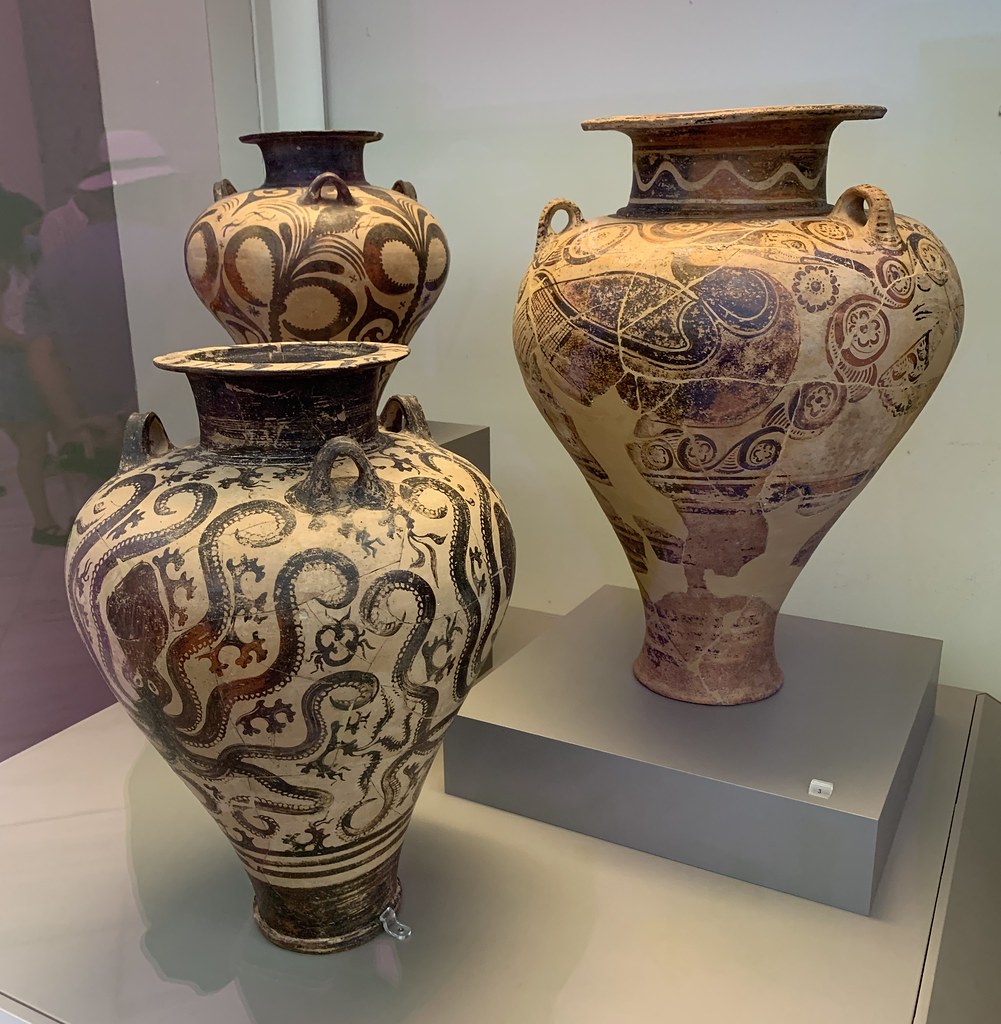
Which animal has three hearts and blue blood?
- Octopuses
- Horseshoe crabs
- Cuttlefish
- Nautiluses
Answer: Octopuses — Octopuses have three hearts—two branchial hearts pump deoxygenated blood to the gills, while the systemic heart circulates oxygenated blood to the rest of the body—and their blood is blue because it uses copper-based hemocyanin instead of iron-based hemoglobin to transport oxygen. This adaptation evolved because hemocyanin performs better than hemoglobin in cold, low-oxygen ocean environments, giving octopuses a survival edge in deep water. The systemic heart actually stops beating when the octopus swims, which is why these creatures prefer to crawl along the seafloor rather than swim long distances—it's simply too exhausting on their cardiovascular system.
The Triple-Heart System
Octopuses possess one of the most unusual circulatory systems in the animal kingdom, built around three separate hearts working in concert. Two branchial hearts sit at the base of each gill, pumping deoxygenated blood through the delicate gill tissues where carbon dioxide is exchanged for oxygen. The third heart, called the systemic heart, then takes over, receiving the freshly oxygenated blood and circulating it throughout the octopus's body to fuel its muscles, nervous system, and organs. This three-heart arrangement solves a fundamental problem: octopus blood is viscous and thick, requiring extra pressure to move efficiently through their bodies. The branchial hearts provide the initial push through the gills, and the systemic heart delivers the finishing force needed to reach every arm tip and sucker. When an octopus swims by jet propulsion—forcing water through its siphon—the systemic heart stops beating entirely, leaving only the branchial hearts running. This cardiovascular quirk explains why octopuses tire quickly when swimming and prefer to crawl slowly along rocks and coral, conserving energy by keeping all three hearts in action.
The Blue Blood Advantage
The blue color of octopus blood comes from hemocyanin, a copper-based molecule that binds oxygen for transport through the circulatory system. Unlike the iron-based hemoglobin found in human blood, which turns red when oxygenated, hemocyanin turns blue when it picks up oxygen molecules. This copper compound floats freely in the blood plasma rather than being contained inside cells, making octopus blood thicker and more sluggish than vertebrate blood—hence the need for three hearts to push it along. Hemocyanin evolved in mollusks and arthropods as an adaptation to cold, low-oxygen marine environments, where it outperforms hemoglobin. In the frigid depths where many octopus species live, hemocyanin maintains its oxygen-binding efficiency even as temperatures drop and oxygen levels decline, whereas hemoglobin's performance degrades under the same conditions. Studies show that hemocyanin can carry oxygen effectively in water temperatures as low as minus-two degrees Celsius, a range where iron-based blood proteins struggle. This biochemical advantage allows octopuses to thrive in deep, cold ocean zones where fish with hemoglobin-based blood cannot compete.
The Oxygen Challenge
Octopuses face a steep metabolic challenge: they are highly active predators with large brains and complex behaviors, yet their hemocyanin-based blood delivers oxygen less efficiently per unit volume than the hemoglobin systems of fish or mammals. To compensate, octopuses have evolved an outsized circulatory system. Their hearts make up a larger percentage of body mass than in most animals, and their blood volume relative to body size is unusually high. The giant Pacific octopus, for example, has a systemic heart roughly the size of a walnut—proportionally much larger than a human heart—and its blood vessels branch extensively to ensure oxygen reaches even the tips of its eight arms. Despite these adaptations, octopuses remain sensitive to warm water, which holds less dissolved oxygen and makes it harder for hemocyanin to pick up oxygen molecules at the gills. Rising ocean temperatures threaten octopus populations worldwide, as even a few degrees of warming can push their cardiovascular systems beyond their functional limits. Researchers have documented octopuses abandoning warming coastal zones and retreating to cooler, deeper water, a migration that disrupts their hunting grounds and breeding cycles.
Why It Matters Today
Understanding octopus physiology has implications far beyond marine biology. Scientists studying hemocyanin are exploring its potential in human medicine, particularly as an oxygen carrier in artificial blood substitutes and as a treatment for cancer. Hemocyanin triggers strong immune responses in mammals, and experimental therapies using mollusk hemocyanin have shown promise in shrinking tumors and boosting immune function in bladder cancer patients. Meanwhile, the octopus's three-heart system has inspired engineers designing soft-bodied robots and underwater drones that mimic cephalopod locomotion and circulatory efficiency. The United States Navy and several private robotics firms have built prototype vehicles based on octopus anatomy, capable of squeezing through tight spaces and operating in low-oxygen environments where conventional machinery fails. As climate change reshapes ocean ecosystems, octopuses serve as sentinel species: their sensitivity to temperature and oxygen fluctuations makes them early indicators of ecosystem stress, and their population shifts signal broader changes in marine food webs that ultimately affect human fisheries and coastal economies.
What most people get wrong
Many people assume all animals with blue blood are closely related or that blue blood is rare in the ocean, but hemocyanin-based circulatory systems evolved independently in mollusks and arthropods and are found in thousands of marine species, from lobsters to squid.
Word of the Day
pusillanimous adjective · pyoo-suh-LAN-uh-muhs
Lacking courage or determination; timid and cowardly, especially in the face of danger or difficulty. From Latin pusillanimis, combining pusillus (very small) and animus (spirit or courage), the word entered English in the 16th century to describe a person whose spirit has shrunk so small they cannot act boldly.
“The general's pusillanimous retreat in the face of a smaller force cost him his command and reputation. Even in casual matters he proved pusillanimous, unable to send back a cold meal or challenge an incorrect bill.”
Sponsored
Help with rent & housing may be available
Assistance programs exist for millions of households — see if yours qualifies.
Joke of the Day
Why did the octopus refuse to donate blood at the marine biology lab?
It didn't want to give away any of its three hearts—it was already stretched thin keeping them all pumping.
This Day in History
1957 — The Little Rock Nine, a group of nine African American students, were escorted into Little Rock Central High School in Arkansas by federal troops on September 24, 1957, marking a pivotal moment in the desegregation of American public schools. Three weeks earlier, Arkansas Governor Orval Faubus had ordered the state's National Guard to block the students' entry, defying the Supreme Court's Brown v. Board of Education ruling, and mobs of white protesters surrounded the school hurling threats and slurs. President Dwight Eisenhower federalized the Arkansas National Guard and deployed the 101st Airborne Division to enforce the court order, the first time since Reconstruction that federal troops were used to protect the civil rights of Black citizens in the South. The crisis drew international attention, damaged America's reputation during the Cold War, and demonstrated that federal authority could override state resistance to integration, setting the stage for the broader civil rights battles of the 1960s.
Sponsored
A 60-second financial checkup
See what personal funding options you may qualify for.
Enjoyed this issue?
Get the next one free, every morning.
More from Words IQ


