Monday, September 14, 2026
Trivia of the Day
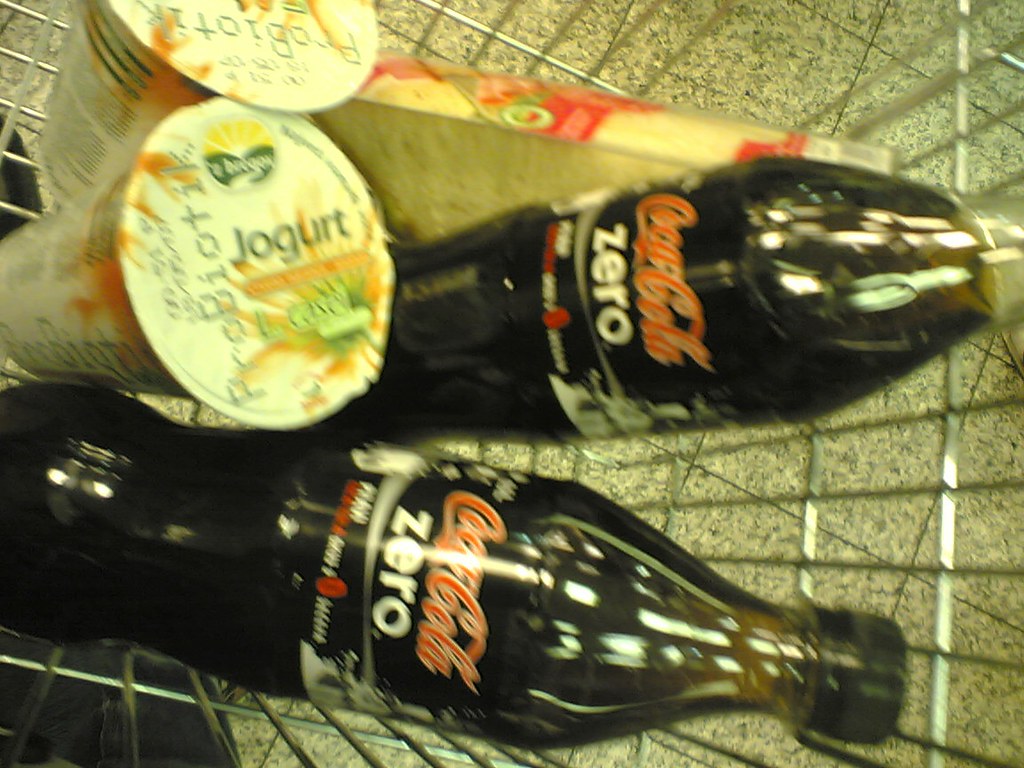
What globally famous beverage was originally marketed as a cure for morphine addiction and contained cocaine until 1903?
- Coca-Cola
- Dr Pepper
- Moxie
- Vin Mariani
Answer: Coca-Cola — Coca-Cola's inventor, pharmacist John Stith Pemberton, became addicted to morphine after a Civil War wound and created the drink as a patent medicine to ease withdrawal. The formula included coca-leaf extract (cocaine) and kola-nut caffeine, advertised as a 'brain tonic' until public pressure and the Pure Food and Drug Act forced the company to remove cocaine in 1903. The shift from pharmacy counter to soda fountain happened almost by accident when a customer asked to mix the syrup with carbonated water instead of plain water—and the modern soft-drink industry was born.
From Battlefield Wound to Patent Medicine
John Stith Pemberton was a successful pharmacist in Columbus, Georgia, until a Confederate cavalry saber slashed his chest at the Battle of Columbus in April 1865, one of the Civil War's final skirmishes. The wound left him in chronic pain, and like thousands of veterans, he turned to morphine for relief. By the early 1880s, Pemberton was struggling with addiction and experimenting with coca-leaf extracts, which South American indigenous peoples had chewed for centuries to combat fatigue and hunger.
In 1885, he formulated French Wine Coca, an alcoholic coca-leaf tonic inspired by Vin Mariani, a wildly popular Parisian wine endorsed by Pope Leo XIII and Thomas Edison. When Atlanta enacted prohibition ordinances in 1886, Pemberton reformulated his drink as a non-alcoholic syrup, blending coca leaves and kola nuts—both containing stimulants—into a thick, dark concentrate. He named it Coca-Cola, a direct reference to its two active ingredients, and marketed it as a cure for morphine addiction, headaches, and nervous disorders.
Pemberton sold the syrup to pharmacies for five cents a glass, positioning it alongside other patent medicines that made bold, unregulated claims. The original formula contained roughly nine milligrams of cocaine per glass, extracted from dried coca leaves imported from Peru. His advertising promised the drink would cure neurasthenia, exhaustion, and dyspepsia, claims typical of the unregulated pharmaceutical industry in the Gilded Age.
The Cocaine Formula and Its Removal
Coca-Cola's cocaine content became increasingly controversial as the temperance movement expanded its focus beyond alcohol to all intoxicating substances. By the 1890s, newspapers began publishing sensationalized accounts of "cocaine fiends," and Southern legislators particularly feared that Black Americans with access to cocaine posed a social threat. Georgia passed one of the nation's first cocaine restriction laws in 1902, and federal regulation loomed on the horizon.
In 1903, the Coca-Cola Company reformulated the beverage to remove all traces of cocaine, switching to "spent" coca leaves that had their active alkaloids chemically extracted before flavoring the syrup. This process, developed in collaboration with the Maywood Chemical Works in New Jersey, allowed the company to retain coca's subtle flavor profile while eliminating the stimulant. The Stepan Company in Illinois still holds the exclusive federal license to import coca leaves and extract cocaine for medical use, then sell the decocainized residue to Coca-Cola.
The timing proved crucial. When Congress passed the Pure Food and Drug Act in 1906, Coca-Cola narrowly avoided being classified as a dangerous patent medicine. Company executives testified that their beverage no longer contained cocaine and had become a legitimate soft drink rather than a medicinal tonic, though they still emphasized the caffeine from kola nuts as an invigorating ingredient.
Pemberton's Tragic Death and Candler's Empire
John Pemberton never witnessed Coca-Cola's transformation into a global brand. Battling stomach cancer and still dependent on morphine, he sold various ownership stakes in his formula to multiple investors throughout 1887 and 1888, creating a tangled web of competing claims. Atlanta pharmacist Asa Griggs Candler methodically purchased these shares between 1888 and 1891, spending approximately $2,300 to gain complete control. Pemberton died penniless in August 1888 at age 57, buried in Columbus's Linwood Cemetery.
Candler proved a marketing genius, distributing free drink coupons throughout the Southeast and spending unprecedented sums on advertising—$11,000 in 1892 alone, when most companies allocated only hundreds of dollars. He incorporated The Coca-Cola Company in 1892 with $100,000 in capital and shifted the product's identity from medicinal remedy to refreshing beverage. Candler's slogan "Delicious and Refreshing" replaced Pemberton's therapeutic claims, and by 1895, Coca-Cola was sold in every American state and territory.
The introduction of the distinctive contour bottle in 1916, designed by the Root Glass Company of Terre Haute, Indiana, further cemented brand recognition. Candler sold the company to Atlanta banker Ernest Woodruff in 1919 for $25 million, the largest financial transaction in Southern history to that date.
Legacy and Modern Global Dominance
Today, The Coca-Cola Company operates in over 200 countries and territories, selling 2.2 billion servings daily across more than 500 brands. The company's market capitalization exceeds $250 billion, and "Coca-Cola" ranks as the world's third-most-valuable brand. The original formula, known internally as "Merchandise 7X," remains locked in a vault at the World of Coca-Cola museum in Atlanta, though food scientists have repeatedly replicated it through chemical analysis.
The cocaine chapter represents both a cautionary tale about unregulated pharmaceuticals and a reminder of how drastically drug policy has evolved. Pemberton's attempt to cure morphine addiction with another addictive substance typified 19th-century medicine's trial-and-error approach. Modern coca-containing products face strict DEA oversight, yet Coca-Cola's singular import arrangement continues, processing approximately 100 metric tons of coca leaves annually at Stepan's Maywood facility.
Coca-Cola's transformation from cocaine-laced patent medicine to family-friendly beverage paralleled America's Progressive Era reforms, demonstrating how corporate adaptability and aggressive marketing could navigate shifting legal and cultural landscapes. The company that once promised to cure morphine addiction now sponsors the Olympics and defines American commercial culture worldwide, a metamorphosis that Pemberton, dying in poverty and pain, could never have imagined.
What most people get wrong
Most people believe Coca-Cola's cocaine content made it an addictive recreational drug from the start, but the trace amounts in the finished beverage were far too small to produce a high—users would have had to drink gallons to feel an effect. The cocaine was included as a medicinal ingredient, not a vice, and the drink was sold in pharmacies alongside laudanum and other opiate-based remedies. What made early Coca-Cola popular was its caffeine and sugar, not its coca content. By 1903, public alarm over cocaine in consumer products—fueled by racist moral panic and the Pure Food and Drug Act—forced the company to remove it entirely, switching to 'spent' coca leaves that retained flavor but no alkaloids.
Word of the Day
oleaginous adjective · oh-lee-AJ-in-us
Oily or greasy in texture or appearance; by extension, excessively flattering or ingratiating in manner, unctuous. From Latin 'oleaginus,' derived from 'oleum' (oil) and 'olea' (olive tree), the word entered English in the early 17th century to describe literal slickness before acquiring its figurative sense of smarmy charm. Both meanings hinge on the image of something that slides smoothly—and often suspiciously—over a surface.
“The lobbyist's oleaginous smile and effusive praise made it clear he wanted something in return. In the lab, the chemist identified the oleaginous residue coating the inside of the flask as a byproduct of the esterification reaction.”
Sponsored
Millions in family benefits go unclaimed
See what support programs your household may be able to tap.
Joke of the Day
Why did the pharmacist refuse to rename his morphine-addiction cure?
He was already coked up on the first branding meeting.
This Day in History
1812 — Francis Scott Key witnessed the British bombardment of Fort McHenry in Baltimore Harbor and scribbled the poem that became 'The Star-Spangled Banner' on the back of a letter. The fort's flag—30 by 42 feet, with fifteen stars and fifteen stripes—survived a 25-hour assault of over 1,500 cannonballs and Congreve rockets, inspiring Key's line 'the rockets' red glare.' His poem, set to the tune of a British drinking song, was adopted as the U.S. national anthem in 1931, 117 years after he wrote it. The flag itself now hangs in the Smithsonian, its wool and cotton fibers carefully preserved under low light.
Sponsored
Help with rent & housing may be available
Assistance programs exist for millions of households — see if yours qualifies.
Enjoyed this issue?
Get the next one free, every morning.
More from Words IQ


